

Financial Planning Process: A Guide for Lehigh Valley Pre-Retirees
ArticlesSeptember 21, 2026
A practical guide to what a financial planning process can include for Lehigh Valley households approaching retirement.
A practical guide to what a financial planning process can include for Lehigh Valley households approaching retirement.
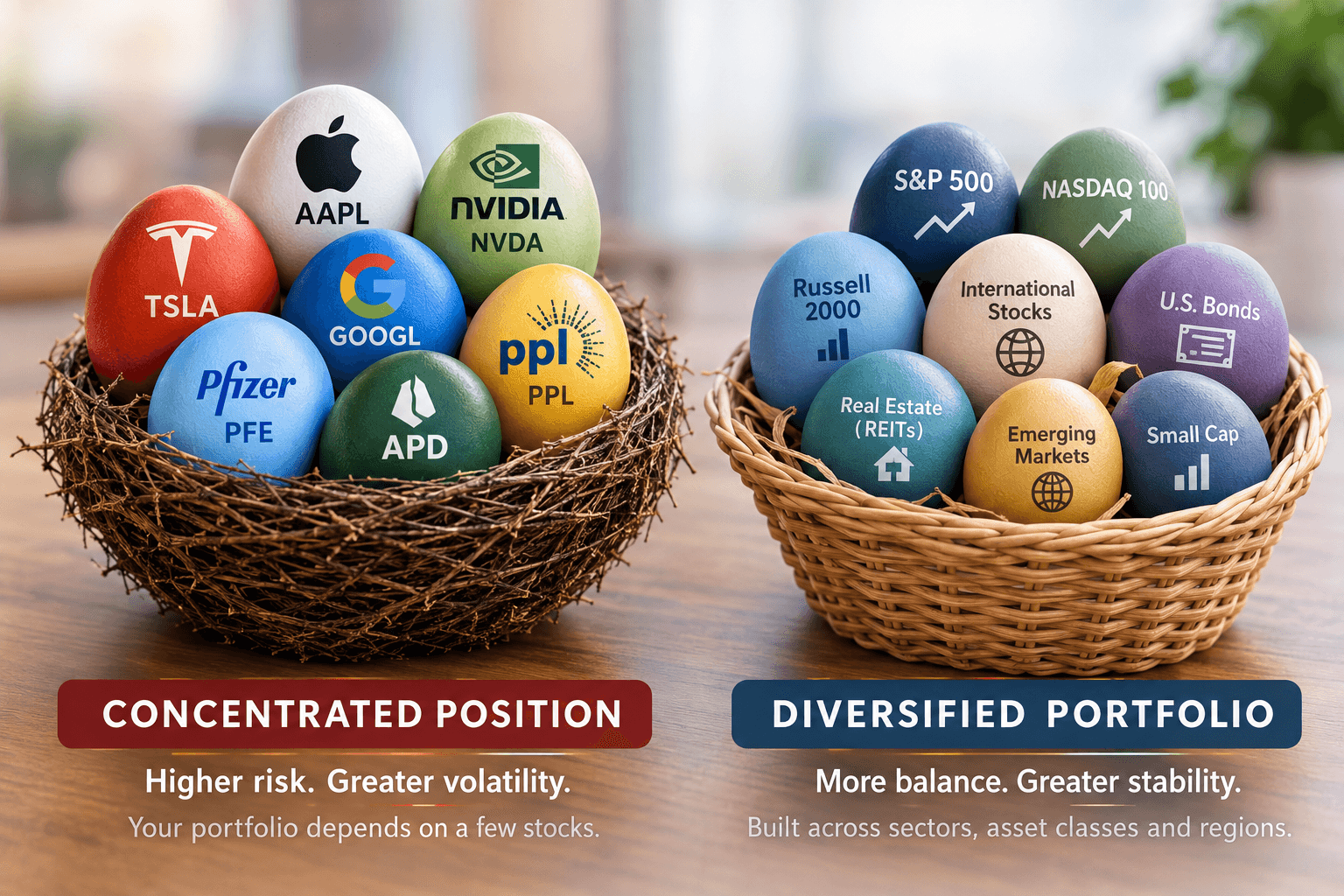
A concentrated stock position can affect investment risk, taxes, retirement income, and estate planning. Learn the questions that can help place one holding in the context of a complete financial plan.

A retirement plan is more than an account balance. Learn how contribution choices, account coordination, investment options, and distribution decisions can affect the rest of your financial plan.

A practical guide to understanding capital gains tax, cost basis, taxable income, and the questions to consider before selling appreciated or concentrated stock in retirement.

Risk management helps households identify financial vulnerabilities, weigh trade-offs, and keep every part of a financial plan connected to real life.

Read the August 2026 Market Recap, covering stock market performance, inflation, Federal Reserve policy, and energy prices.

Tax planning is not a once-a-year filing exercise. It is the thread that connects the map, the vehicle, the route, and the destination of a complete financial plan.

Financial planning gives you the map, asset management is the vehicle, and income planning is the route. Estate and legacy planning is the destination: making sure what you built actually reaches the people and causes you care about.
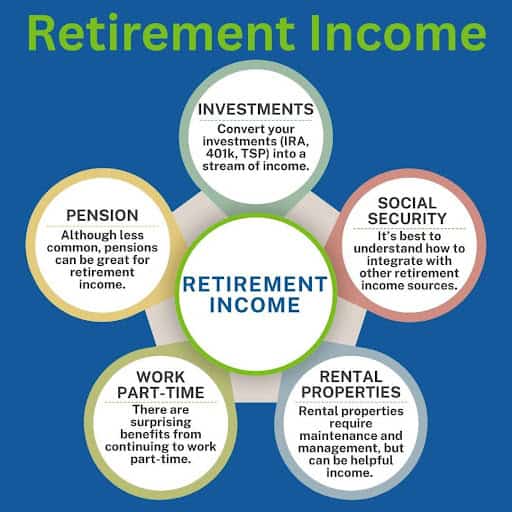
Financial planning gives you the map. Fiduciary asset management is the vehicle. This article is about the route itself: how to turn accumulated wealth into income that lasts.